



Why SaaS Companies Should Send Physical Cards
Posted by Helen Voss on 20th Jul 2026
Software as a service (SaaS) companies sell access to online platforms instead of one-time products. Because so much customer contact happens through screens, teams may assume digital communication is sufficient. Renewal reminders arrive by email, product updates appear inside dashboards, and support teams answer questions virtually. Those tools keep accounts informed, yet they don’t always leave people with a strong sense of recognition.
Even in a digital business, SaaS companies should send physical cards because client relationships gain texture beyond software performance. A mailed card acknowledges the person behind the login and the work behind the account. Over time, these gestures turn one-dimension business relationships into profound connections.
Digital Teams Miss Human Signals
SaaS teams track usage data with care. They know login patterns and study renewal timing and support volume. Those metrics guide account health and product planning. However, software data can’t capture every human moment inside a client relationship.
A customer might renew after a difficult implementation. A department leader might advocate internally after months of training. An operations team might spend late nights moving systems into a new workflow. Digital metrics record the outcome, yet a physical card recognizes the effort behind it.
This distinction is valuable in a professional relationship built mostly through screens. Clients expect technical accuracy from a software partner, but the gesture of a card adds warmth after the platform has already done its job. It reminds recipients that people guide the work behind every renewal.
Mail Reaches Decision-Makers
Email inboxes move quickly in corporate environments. A message from a vendor competes with internal updates and approval requests. Calendar notices and system alerts add more noise throughout the day. Even a thoughtful note disappears before the recipient has time to absorb it.
Physical mail enters the workday differently. It passes through numerous pairs of hands before reaching the recipient. Then, the card sits on a bulletin board or desk for weeks or months, serving as a constant reminder of the relationship. Decision-makers will remember communication that differs from the rest of their vendor interactions.
Physical Cards Mark Shared Milestones
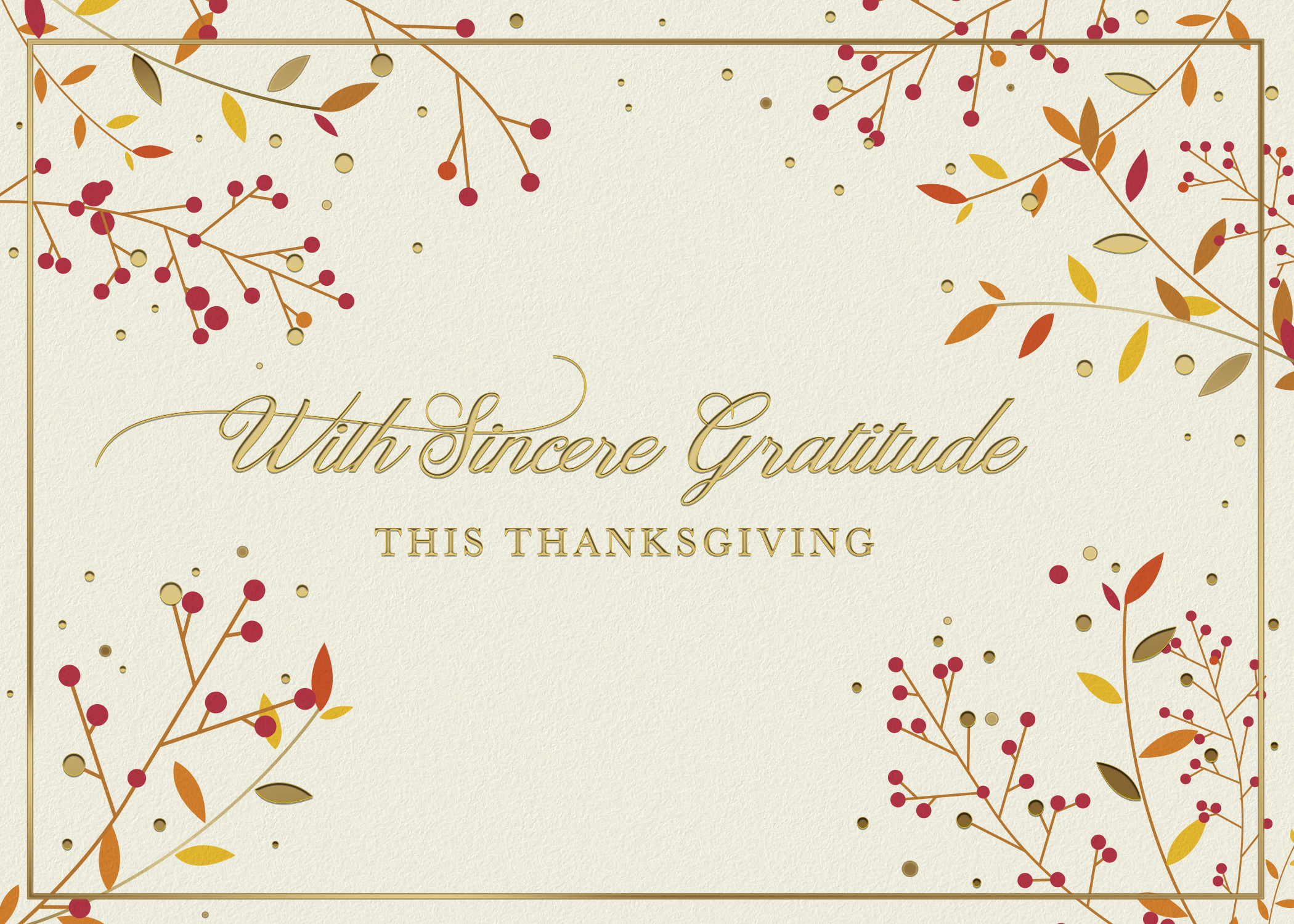
Physical cards suit monumental moments because they slow communication down. Onboarding launches a working partnership, while product milestones show progress between both teams. Each milestone gives account managers a reason to pause. By sending a congratulatory greeting card, clients see that the company noticed what happened and took the time to acknowledge it.
Tangible Notes Support Client Retention
Retention depends on product value. No card replaces reliable software or responsive service. Nevertheless, relationships influence how clients interpret the full experience. A company that recognizes people with care strengthens loyalty through consistent attention.
Greetings are effective tools because they arrive outside daily platform use. The recipient doesn’t have to log in on their computer or open another email. The card creates a separate moment that gives people pause from the business of their workday.
Those moments become useful in long-term account cycles. Clients compare vendors during budget reviews and leadership changes. A thoughtful communication habit reminds them that the partnership includes both performance and respect.
Personalization Protects Brand Standards
SaaS companies serve many industries and customer segments. Therefore, each message must have personalized elements. This is key to appeasing enterprise clients who expect formal language or founder-led startups who respond well to a laid-back tone.
To accomplish this effectively, companies need a clear understanding of their own brand voice. Whether the tone is polished and formal or conversational and approachable, teams should define it before attempting to tailor messages.
With that foundation in place, account managers can adjust language and style to suit each client while still staying true to the company’s identity. This balance ensures that personalization is intentional, helping every message reflect both the client relationship and the brand behind it.

Timing Results in Meaningful Outreach
SaaS communication often clusters around renewals and support issues, making every message feel tied to a request. Introducing physical cards helps shift that pattern by creating a more balanced rhythm of outreach. Birthdays, anniversaries, achievements, and seasonal moments all provide natural opportunities to connect without an immediate business need.
Outreach becomes a habit rather than a last-minute task with consistent timing. Account teams no longer need to scramble for ideas each month. Instead, they can rely on a structured approach by reviewing the calendar and aligning card themes with the season.
This kind of planning also improves execution. With more time to prepare, teams can verify names and mailing details, choose appropriate designs, and avoid the pressure of busy seasons.
Bulk Planning Reduces Team Strain
SaaS teams move quickly across customer success and sales. Operations teams and leadership groups carry full schedules as well. Card outreach might be pushed aside when every message requires a fresh decision. Bulk planning removes friction before the busy season arrives.
A prepared inventory of all-occasion financial greeting cards gives teams structure. From congratulatory cards to holiday greetings, account managers will have a card in hand and ready to personalize quickly.
Physical Mail Supports Sales Conversations
Strong partnerships remain at the core of every successful SaaS company. Throughout the year, those relationships naturally create opportunities for more direct business development.
Physical mail can support these moments by reinforcing connections already in progress. A tasteful card after a demo might reference the prospect’s goals, while a note following a conference conversation keeps the company top of mind.
Sales outreach works best when it feels connected to genuine interactions. Physical cards are most effective when they reflect real conversations and shared progress. When used with intention, a short, thoughtful note is more meaningful than another automated follow-up, helping relationships grow naturally.
Send Greeting Cards To Maintain Strong Client Relationships
Digital communication will always guide daily account activity. However, SaaS companies should send physical cards as a natural extension of the care already present in their service.
Wall Street Greetings offers customizable cards suited for professional relationships. With eye-catching designs and customizable elements, we’ll help you create cards that fit every client and season. View our collection of all-occasion greeting cards to find the design that is the best for your company’s goals.